Popular Poem Categories:
Occasion & Holiday Poems:
A poetic journey through nature’s beauty, transformation, and life’s unanswered questions.
Shelley’s poem, The Question, invites us into a quiet moment of reflection. Through vivid images of winter turning into spring, he shows how quickly the world can change. The cold gives way to warmth, bare branches give way to blossoms, and nature begins again with fresh beauty and life.
As the speaker gathers flowers with joy, we sense both wonder and purpose. Yet at the very end, a question remains. Who is the bouquet for? That gentle, unanswered thought encourages us to pause and reflect on our own actions, our intentions, and the meaning behind the gifts we offer.
Updated October 12, 2026, by Catherine Pulsifer.
I dreamed that, as I wandered by the way,
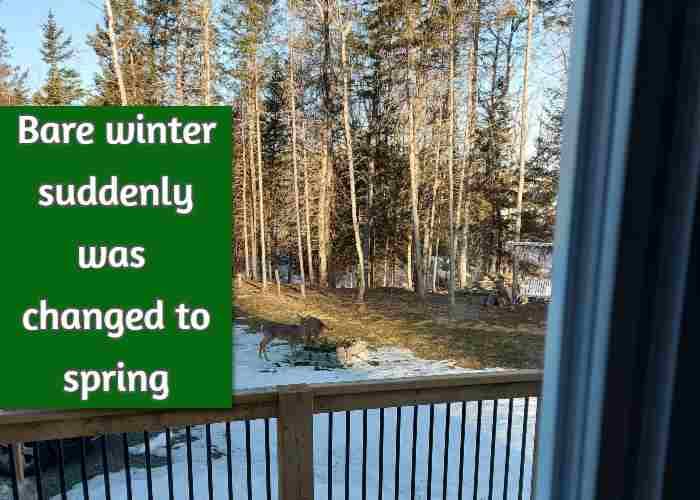
Bare winter suddenly was changed to spring,
And gentle odors led my steps astray,
Mixed with a sound of waters murmuring
Along a shelving bank of turf, which lay
Under a copse, and hardly dared to fling
Its green arms round the bosom of the stream,
But kissed it and then fled, as thou mightest in dream.
There grew pied wind-flowers and violets,
Daisies, those pearled Arcturi of the earth,
The constellated flower that never sets;
Faint oxlips; tender bluebells, at whose birth
The sod scarce heaved; and that tall flower that wets—
Like a child, half in tenderness and mirth—
Its mother's face with Heaven's collected tears,
When the low wind, its playmate's voice, it hears.
And in the warm hedge grew lush eglantine,
Green cowbind and the moonlight-coloured may,
And cherry blossoms, and white cups, whose wine
Was the bright dew yet drained not by the day;
And wild roses, and ivy serpentine,
With its dark buds and leaves, wandering astray;
And flowers azure, black, and streaked with gold,
Fairer than any wakened eyes behold.
And nearer to the river's trembling edge
There grew broad flag-flowers,purple prankt with white.
And starry river buds among the sedge.
And floating water-lilies broad and bright,
Which lit the oak that over hung the hedge
With moonlight-beams of their own watery light;
And bulrushes and reeds of such deep green
As soothed the dazzled eye with sober sheen.
Methought that of these visionary flowers
I made a nosegay, bound in such a way
That the same hues, which in their natural bowers
Were mingled or opposed, the like array
Kept these imprisoned children of the Hours
Within my hand — and then, elate and gay,
I hastened to the spot whence I had come,
That I might there present it! — O! to whom?
The poem takes us on a journey where the cold of winter gives way to the warmth and color of spring. This change is more than just nature—it's a reminder of how life can transform when we least expect it.
Shelley describes a world full of life: flowers blooming, streams flowing, and greenery thriving. Each image invites us to slow down and appreciate the small details, showing how beauty can be found in even the simplest parts of life.
As the poet gathers a bouquet, they feel joy and excitement but are left wondering who it is for. This moment invites us to reflect on the purpose of our own actions and how sometimes, the answer lies within the journey itself.
If The Question inspired you to reflect on nature, change, and purpose, these pages offer more poems and quotes to uplift your heart and brighten your day.
The Question reminds us that the world can shift from cold to warmth in ways we do not expect. As the poet gathers flowers with joy, the ending gently leaves us with one simple thought. Who are we offering our gifts to, and why? Sometimes we do not get a clear answer, but we can still enjoy the beauty along the way and keep our hearts open to what the season is teaching us.
More Spring Poems to Inspire