Popular Poem Categories:
Occasion & Holiday Poems:
As one year comes to an end and another begins, it is a good time to look back and remember the many blessings we have received. In A Poem for the Year, Nathaniel Parker Willis takes us through each season and reminds us of the beauty and goodness that can be found throughout the year.
From the fresh beginnings of spring to the warmth of summer, the harvest of autumn, and the quiet days of winter, each season brings something for which we can be thankful. Willis also reminds us that behind these blessings is the goodness of God, who provides for us in ways we may sometimes take for granted.
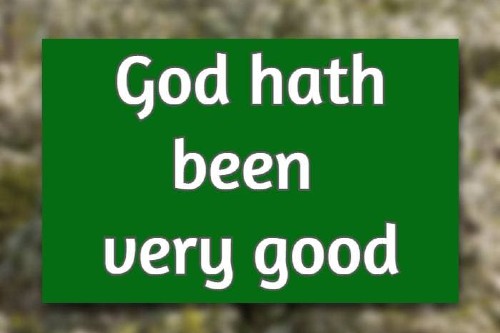
As you read this poem, may it encourage you to look back on the year with gratitude and to enter the New Year remembering the simple but powerful words found in the poem, "God hath been very good."
Updated September 17, 2026, by Catherine Pulsifer.
Fleetly hath passed the year; the seasons came
Duly as they were wont — the gentle spring,
And the delicious summer, and the cool,
Rich autumn, with the nodding of the grain,
And winter, like an old and hoary man,
Frosty and stiff — and so are chronicled.
We have read gladness in the new green leaf,
And in the first-blown violets; we have drunk
Cool water from the rock, and in the shade
Sunk to the noontide slumber; we have lucked
The mellow fruitage of the bending tree,
And girded to our pleasant wanderings
When the cool winds came freshly from the hills;
And when the tinting of the autumn leaves
Had faded from its glory, we have sat
By the good fires of winter, and rejoiced
Over the fulness of the gathered sheaf.
"God hath been very good." 'Tis he whose hand
Molded the sunny hills and hollowed out
The shelter of the valleys, and doth keep
The fountains in their secret places cool;
And it is he who leadeth up the sun,
And ordereth the starry influences,
And tempereth the keenness of the frost;
And, therefore, in the plenty of the feast,
And in the lifting of the cup, let him
Have praises for the well-completed year.
Each season brings something different into our lives. Spring brings new growth, summer gives us warmth, autumn provides its harvest, and winter brings a time of rest. The poem reminds us to notice the beauty around us and appreciate what each season has to offer.
It can be easy to enjoy the good things in life without stopping to think about where they came from. Willis reminds us to recognize God's hand in the blessings around us. When we stop and consider all that we have received, we often discover there is much more abundance in our lives than we realized.
The end of a year gives us an opportunity to look back on the joys, challenges, and life lessons of the months behind us. Not every day may have been easy, but there can still be much for which to be thankful. As a new year begins, we can carry that gratitude with us and move forward with hope.
Continue with more poems, blessings, and quotes that offer encouragement, strengthen faith, and inspire gratitude as you begin the New Year.




As another year comes to a close, A Poem for the Year reminds us to stop and think about the blessings the months have brought. Each season has given us something different, and through them all there have been reasons to give thanks.
We may have experienced happy days as well as difficult ones, but looking back can help us see how God has been with us through them all. As you begin the New Year, may you carry gratitude in your heart, hope for the days ahead, and the comforting reminder from Willis that "God hath been very good."
More Religious New Years Poems