Popular Poem Categories:
Occasion & Holiday Poems:
This well loved poem gently reminds us that life feels lighter and brighter when we slow down and see the world through a child’s eyes.
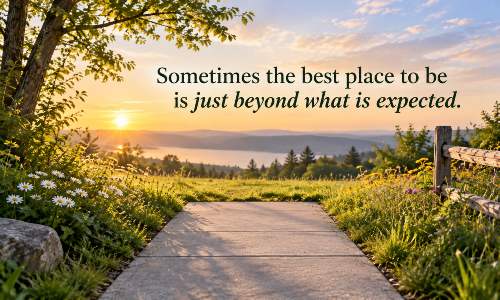
Written by Shel Silverstein, "Where the Sidewalk Ends" invites us to step away from pressure and routine and move toward imagination and calm. It paints a picture of a place where worries fade and simple joys return. The poem does not rush us. Instead it encourages us to walk slowly and notice what truly matters.
As adults we often feel pulled by responsibility and noise. This poem gently reminds us that there is another way to live. A way that values wonder, curiosity, and rest. Silverstein points us toward childlike wisdom where joy is found in small moments and freedom begins when we let go of what weighs us down. The message is simple yet meaningful. Life is richer when we allow ourselves to pause, listen, and believe again.
Updated September 8, 2026, by Catherine Pulsifer.
There is a place where the sidewalk ends
And before the street begins,
And there the grass grows soft and white,
And there the sun burns crimson bright,
And there the moon-bird rests from his flight
To cool in the peppermint wind.
Let us leave this place where the smoke blows black
And the dark street winds and bends.
Past the pits where the asphalt flowers grow
We shall walk with a walk that is measured and slow,
And watch where the chalk-white arrows go
To the place where the sidewalk ends.
Yes we'll walk with a walk that is measured and slow,
And we'll go where the chalk-white arrows go,
For the children, they mark, and the children, they know
The place where the sidewalk ends.
Shel Silverstein invites us into a gentle and thoughtful poem that speaks to both children and adults. These reflections highlight the deeper meaning found in his words.
The sidewalk represents structure and expectations. When it ends, we are invited to step away from strict paths and rediscover freedom and imagination.
The poem contrasts a loud and dark street with a calm and welcoming place. It reminds us that we can choose quiet moments that restore our spirit.
The chalk white arrows show that creativity and play can guide us. Imagination is not random. It gently points us toward joy and wonder.
Walking measured and slow suggests the value of not rushing. When we slow our pace, we notice beauty and meaning we might otherwise miss.
Children know where the sidewalk ends because they still believe. The poem reminds us to listen to childlike wisdom and keep curiosity alive.
This poem is a quiet call to return to simplicity, creativity, and hope. It reassures us that such a place is always there if we choose to go.
Sometimes the most important journeys begin when we step off the path we are told to follow.
Explore more poems and quotes that encourage us to slow down, enjoy life, and appreciate the simple things around us.





Where the Sidewalk Ends gently reminds us that life does not have to be rushed or weighed down by constant worry. There is value in slowing our pace and allowing ourselves moments of imagination and rest. When we step away from pressure and expectations, we often find clarity and peace waiting for us.
This poem encourages us to keep a childlike heart even as we grow older. By choosing curiosity, kindness, and wonder, we open ourselves to a fuller and more joyful way of living. The sidewalk may end, but what lies beyond can refresh our spirit and renew our outlook on life.
More Poems Of Encouragement to Inspire and Motivate