Popular Poem Categories:
Occasion & Holiday Poems:
This page explores the poem Invictus by William Ernest Henley, sharing the poem, reflections, and insight into the life of its author.
Invictus is a powerful poem about strength, courage, and personal choice. Written during a time of deep physical suffering, Henley’s words reflect a spirit that refuses to give in to despair. The poem speaks to anyone who has faced hardship and wondered how to keep going.
Through bold imagery and confident lines, Invictus reminds us that while we may not control every circumstance, we do have control over our attitude and response. Its message continues to encourage readers to stand firm, face challenges with courage, and trust the strength that lies within.
Updated September 5, 2026, by Catherine Pulsifer.
Out of the night that covers me,
Black as the pit from pole to pole,
I thank whatever gods may be
For my unconquerable soul.
In the fell clutch of circumstance
I have not winced nor cried aloud.
Under the bludgeonings of chance
My head is bloody, but unbowed.
Beyond this place of wrath and tears
Looms but the Horror of the shade,
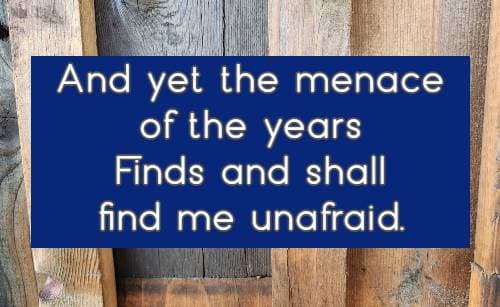
And yet the menace of the years
Finds and shall find me unafraid.
It matters not how strait the gate,
How charged with punishments the scroll,
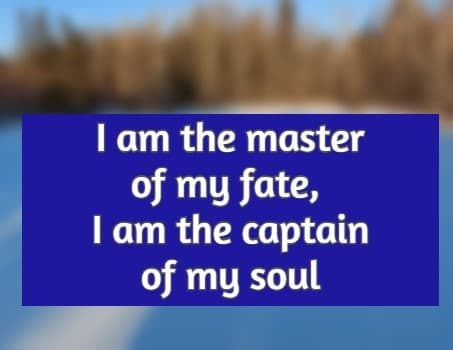
I am the master of my fate,
I am the captain of my soul.
Invictus reminds us that true strength is not found in comfort or ease, but in the spirit that refuses to give up. Even when life feels dark, the poem points us inward, showing that courage begins with what we choose to believe about ourselves.
The speaker faces pain, loss, and uncertainty, yet refuses to be broken by them. This reflection encourages us to remember that difficult seasons do not determine who we are. They are chapters, not the whole story.
Invictus shows that courage is not a single moment of bravery, but a steady decision made again and again. Each day offers a chance to stand firm, even when the road ahead feels heavy.
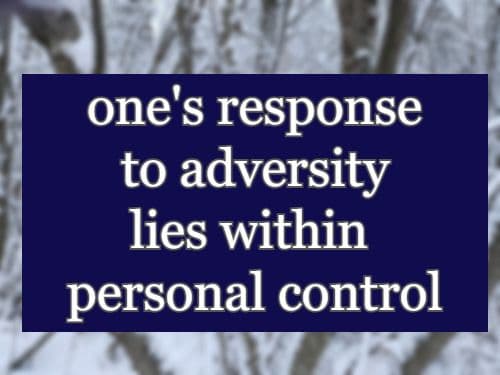
While we cannot control every circumstance, the poem reminds us that our response remains ours to choose. This truth brings encouragement, as it places strength back into our hands, even during challenging times.
The lasting message of Invictus is one of quiet confidence. No matter what life brings, the human spirit can remain unbowed. This reflection offers reassurance that perseverance and determination can carry us forward.
William Ernest Henley, born in Gloucester, England, in 1849, was a poet, editor, and literary critic known for his enduring spirit and resilience. Henley attended Crypt Grammar School, where he studied under poet T.E. Brown, and later continued his education at the University of St. Andrews.
His early life was marked by hardship, particularly the loss of his father, a struggling bookseller, during Henley’s teenage years. At the age of 12, Henley was diagnosed with tubercular arthritis, a condition that led to the amputation of his left leg below the knee. This battle with illness and physical adversity would shape much of his later work and inspire his most famous poem, Invictus.
Henley's experience with severe illness and lengthy stays in the hospital served as the backdrop for much of his poetry, which often explores themes of courage and determination in the face of suffering. His writing reflects a deep sense of inner strength, particularly in Invictus, where the defiant tone mirrors his own personal struggles. Aside from Invictus, Henley’s poetic legacy includes collections such as A Book of Verses (1888), London Voluntaries (1893), and Hawthorn and Lavender (1899).
His contributions to literature, both as a poet and an editor, left a lasting impact on the literary world, and his life remains a testament to the triumph of human willpower over adversity.

May the empowering words of Invictus inspire you to explore more poems and quotes that encourage the heart and strengthen the soul.




Invictus continues to endure because it speaks to a truth that reaches every heart. Life will bring challenges, pain, and moments that test our resolve. Henley’s words remind us that while we may not choose every circumstance, we can choose how we face them.
The poem encourages us to stand firm, even when the path feels uncertain. It calls us to take responsibility for our attitude, to rise with courage, and to trust the strength that lives within us. Each reflection from Invictus points to the same steady reminder that we are not powerless, even in difficult seasons.
As you reflect on this poem, may it encourage you to face life with confidence and determination. No matter what lies ahead, the spirit that refuses to surrender can carry you forward. When challenges come, may you remember that your response matters, your courage counts, and your inner strength can guide you through.
More Poems Of Encouragement to Encourage and Inspire
The word "Invictus" is Latin for "unconquered" or "invincible." This reflects the defiant and determined spirit of the speaker, who refuses to be defeated by life's struggles.
Invictus mirrors Henley's personal experiences with illness, loss, and adversity. The poem reflects his philosophy of facing challenges with unwavering strength, as he himself endured lifelong health issues but maintained a resilient attitude.
The poem is motivational because of its message of overcoming challenges and maintaining control over one's spirit. The speaker’s refusal to be defeated, regardless of the severity of circumstances, inspires readers to embrace their own power and resilience in difficult situations.
These lines express the idea of self-determination. Despite external forces like fate, chance, or hardship, the speaker asserts control over their own mindset, decisions, and inner life, emphasizing personal responsibility and resilience.
Invictus has been quoted and referenced in speeches, books, films, and other works because of its powerful message of courage and resilience. Its words continue to encourage people facing hardship and difficult circumstances.
The tone of Invictus is defiant, courageous, and resolute. The speaker confronts adversity head-on with a sense of unwavering determination, refusing to surrender to fear or despair.