Popular Poem Categories:
Occasion & Holiday Poems:
Stress is a part of life, but what happens when it begins affecting your sleep, your appetite, and the way you feel about each day? When work becomes something you dread, the strain can follow you home and make it difficult to relax.
In this thought, Catherine Pulsifer looks at the warning signs of ongoing work-related stress and offers practical ways to begin managing it. The accompanying poem reminds us that protecting our health starts with recognizing when something needs to change.
Updated October 19, 2026, by Catherine Pulsifer.
By Catherine Pulsifer
If Sunday night has become a nightmare because you dread going to work the next morning, you may already be feeling the effects of stress. When that feeling continues week after week, it can begin to affect your health and your enjoyment of life.
You wake up Monday morning feeling tired and discouraged. Getting out of bed seems like a struggle, and finding the energy to get ready for work and begin your commute feels harder than it should.
As you travel to work, your sense of dread may grow. You know that when you open the door, you will face another day in an environment where you would rather not be. Even before your workday begins, you may feel tense and anxious.
When anxiety and stress become constant companions, they can affect your daily habits. You might reach for sugary snacks to give yourself a quick lift or simply to distract yourself from an unpleasant situation.
Or you may lose your appetite altogether. An unsettled stomach and a general feeling of uneasiness can make eating difficult. Stress does not affect everyone in the same way, but changes in appetite and digestion can be signs that something is wrong.
Perhaps you have handled work-related stress successfully in the past. But when you cannot find a way to reduce or manage the pressure, it can build over time. What once seemed manageable may begin to feel overwhelming.
You may notice that it becomes harder to concentrate or do your job as well as you would like. Little interruptions upset you more than usual, your patience grows short, and you find yourself counting the days until the weekend.
Ongoing stress can contribute to physical and emotional health problems, including sleep difficulties and, in some people, increased blood pressure. The important question is not how long you can endure the stress, but what you can do when you recognize that it is affecting your well-being.
No single suggestion will solve every stressful situation. Still, there are practical steps you can take to help care for yourself and consider what needs to change.
These are only a few possibilities. If stress continues to affect your sleep, appetite, mood, or health, speak with your doctor or another qualified health professional. You do not have to wait until things become unbearable before asking for help.
Do not allow stress to keep growing while you hope the problem will simply disappear. Once you recognize that it is affecting your well-being, take action. Even one small step toward making things better is a beginning.
The following poem reinforces the importance of noticing the warning signs of stress and taking steps to protect your health and happiness.
Do you dread the coming Monday,
Before the weekend's even through?
Does worry keep you up at night,
With thoughts of all you have to do?
You wake up feeling tired,
With little energy to spare,
And even simple daily tasks
Become too much to bear.
Stress can slowly take its toll,
On your body and your mind,
It takes the joy from everyday life,
And makes peace of mind hard to find.
But you don't have to carry
Every worry on your own,
Take the time to ask for help,
You need not face it alone.
Take a walk, enjoy some quiet,
Talk to someone who will care,
Make some changes where you can,
And let your burdens be shared.
Don't ignore the warning signs,
Or let your worries grow,
For taking action to reduce your stress
Is the wisest way to go.
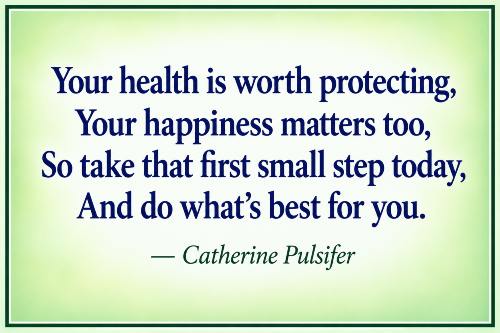
Your health is worth protecting,
Your happiness matters too,
So take that first small step today,
And do what's best for you.
Constant dread, tiredness, and changes in appetite may be signs that stress is affecting your daily life. Recognizing these changes is an important first step.
Pressure that once seemed manageable may become harder to handle when it continues without relief. Do not ignore the need to make changes.
A walk, a relaxing activity, or a regular meal may help you care for yourself during a stressful period. You do not have to solve everything at once.
Sharing your concerns with someone you trust can make you feel less alone. A health professional can also help when stress is affecting your well-being.
Work and responsibilities are important, but so are your physical and emotional needs. Taking a first step toward reducing stress is a way of caring for yourself.
Explore more poems and quotes about health, stress relief, encouragement, and finding a more positive outlook.



Stress does not always arrive all at once. Sometimes it grows gradually, until the worry we carry begins to affect how we sleep, eat, work, and enjoy time with the people we love.
If you recognize yourself in these experiences, consider what you can change and where you might need support. You may not be able to remove every source of stress, but you can take steps to manage it and seek help when you need it.
Your health and happiness matter. Do not wait for stress to take over your life before taking that first small step toward feeling better.
More Positive Thoughts